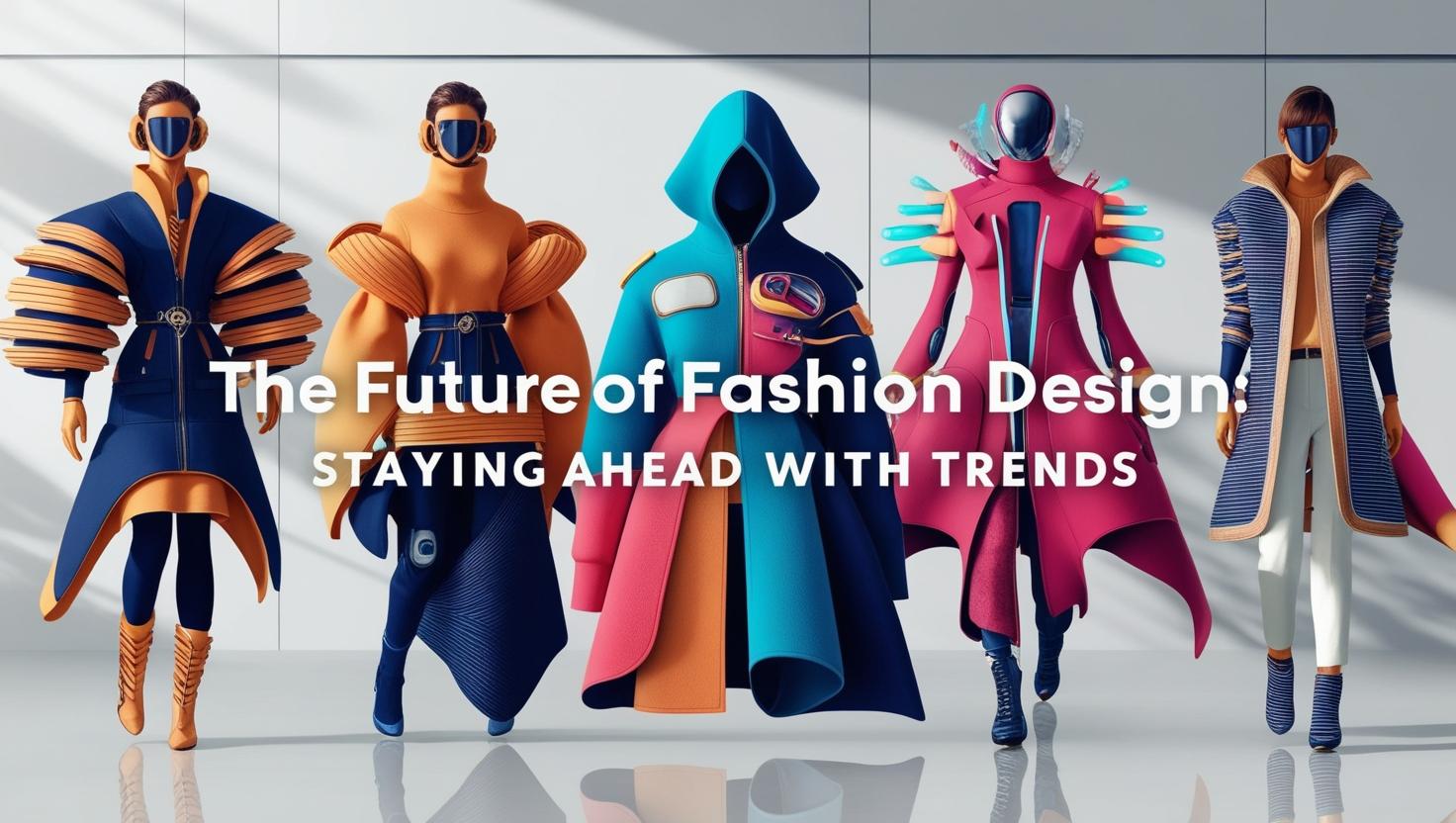
Fashion Design in the Future: How to Stay Ahead of Trends
Introduction: Welcome to the Future of Fashion
Hello, future fashion icons! Are you ready to plunge headlong into this ever-changing, fast-paced world of https://fidathedesignschool.com/fashion design? The fashion world is one huge combination of creativity, novelty, and a pinch of the unpredictable factor — and that is just what makes it so exciting!
At FIDA The Design School
Where fashion is concerned, we believe being at the helm means knowing not only what today’s trends are, but what tomorrow’s runway will be defined by. This post acts as your compass to the vivid landscape of future fashion design trends that range from cutting-edge technology to sustainability, personalization, and inclusivity. So let us begin a journey into how you can prepare to lead the next wave of design innovation!
1. Technology: The Changing Fabric of Fashion
Remember those really bulky cell phones from the early 2000s? Compare them with the sleek, smart devices in our hands today. That very same rapid evolution is happening in fashion. Technology is weaving itself into every fiber, quite literally!
From 3D-printed garments to AI-driven pattern design, innovation is redefining how designers create, customize, and produce clothes. Imagine fabrics adjusting their temperature according to body temperature changes or digital clothing for wear in the metaverse.
At FIDA, our students experiment with tools that mix creativity and technology: mastering digital illustration, virtual fittings, and CAD-based pattern making. These technologies are not just something from a far-reaching future; they hold the key to sustainable and efficient production. The future belongs to designers who can merge fashion and functionality seamlessly.
Pro tip: Start exploring tools like CLO 3D, Adobe Illustrator, and Browzwear to bring your fashion concepts digitally alive.
2. Sustainability: The Golden Thread of Tomorrow’s Design
Sustainability is not a buzzword anymore, it’s a revolution. Today, consumers want transparency, ethical production, and eco-conscious materials. As fashion designers, we’re called to move beyond fast fashion and embrace responsible creativity.
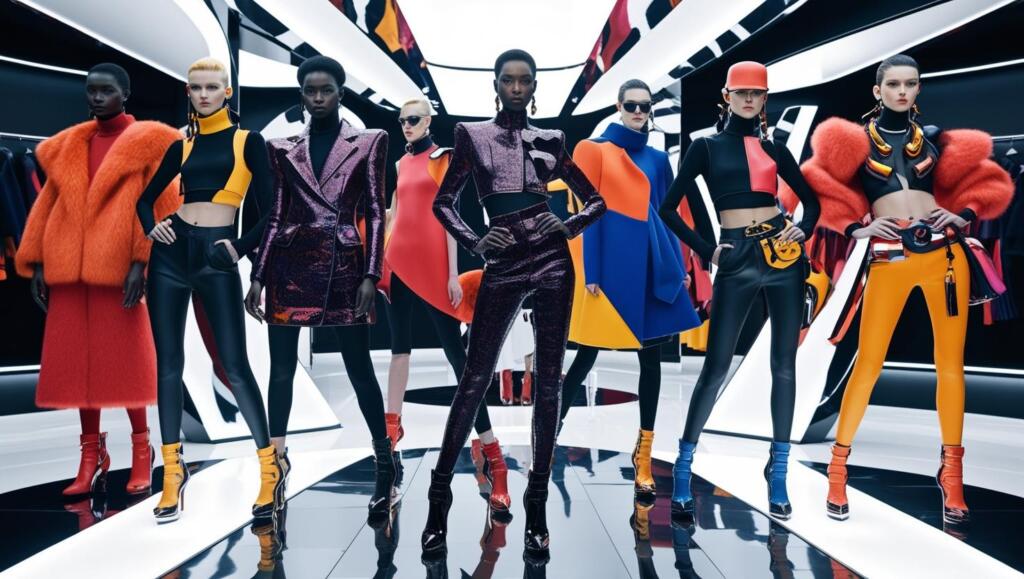
Visiting an Italian textile mill showed me how brands are moving towards organic cotton, bamboo fibers, and even recycled textiles. Sustainable design is not just about the right materials, but it is about reduction of waste, rethinking processes, and adding to each piece a story of care and conscience.
At FIDA The Design School, sustainability is in our DNA. Students are encouraged to experiment with zero-waste patterns, upcycling projects, and ethical fashion principles.
Ask yourself, how can your designs make a positive environmental impact while still being stylish and innovative?
3. Personalization: The Future Is Custom-Made
In an age of mass production, personalisation is the ultimate luxury. Increasingly, today’s consumers aspire to unique experiences that celebrate their individualism. Bespoke fashion is making a comeback-and it’s powered by modern technology.
Think of designing a dress with the aid of 3D body scanning for a perfect fit, or enabling customers to co-create their outfits online on interactive digital platforms.
Last year, I made a custom gown for a client, and the look of joy on her face when she put it on was a sight to remember. That personal touch is the soul of modern fashion.
FIDA trains students to combine creativity with customer insight, encouraging designers to think beyond aesthetics-to emotions, stories, and identities.
Ask yourself: How might you use personalization to bring yourself closer to your future clients?
4. Inclusivity: The Heart of Modern Fashion
Fashion is for all, and the future is gloriously inclusive. The industry is finally embracing diversity in body types, cultures, and abilities, looking beyond the outdated standards that have always dictated it and embracing individuality in all its forms.
From adaptive clothing for people with disabilities to collections inspired by one’s cultural heritage, inclusivity is now reshaping the design conversation on every continent.
At FIDA, we train students to design with empathy, knowing true creativity only flourishes on a foundation of representation and access. Fashion designed for all is fashion that inspires indeed.
Think about it: How can your designs reflect a diversity of the world around you?
5. The Designer’s Mindset: Adapting, Evolving, Thriving
The future of fashion design isn’t about following trends; it’s about creating them. The most successful designers will be lifelong learners, embracing change, experimenting boldly, and mixing creativity with conscious innovation.
At FIDA The Design School, our programs emphasize not just skill-building but also mindset-building. Whether it’s exploring AI tools, designing with sustainability in mind, or building a personal brand, our students learn to think beyond the runway.
Remember, the future will be led by those designers who adapt the fastest.
Conclusion: Sewing a Future Stitch by Stitch
The future of the fashion industry is bright: a perfect blend of technology, sustainability, personalization, and inclusivity. If one keeps themselves curious, embraces innovation, and nurtures their creativity, they are in a position to carve an exciting and meaningful career as a designer.
The next fashion revolution starts with you: your ideas, your ethics, and your imagination. ✨
At FIDA The Design School
And that is where we come in-to nurture that spark, to help you transform your vision into a vibrant, future-ready portfolio.
So, are you ready to design the future?
Author Bio:
FIDA, the Design School, has positioned itself amongst premier institutes of creative professionals in the fields of Fashion, Interior, and Communication Design. Our Courses blend hands-on learning, innovation, and industry exposure to help aspiring designers excel in the modern design landscape.
FAQ Section
Q1: In what ways is technology changing the future of fashion design?
Technology allows for virtual prototyping, 3D printing, and digital fashion experiences, making the design process faster, smarter, and more sustainable.
Q2: Why is sustainability so important in fashion?
Sustainability guarantees ethical production and reduced waste, adding environmental responsibility to design-a ‘must’ for the future industry.
Q3: What is the role of personalization in today’s fashion?
Personalized fashion has a much deeper emotional link with consumers, offering an individual fit, style, and experience.
Q4: How do up-and-coming designers prepare for upcoming trends?
Stay updated with digital design tools, understand sustainable practices, and focus on inclusive, innovative ideas.