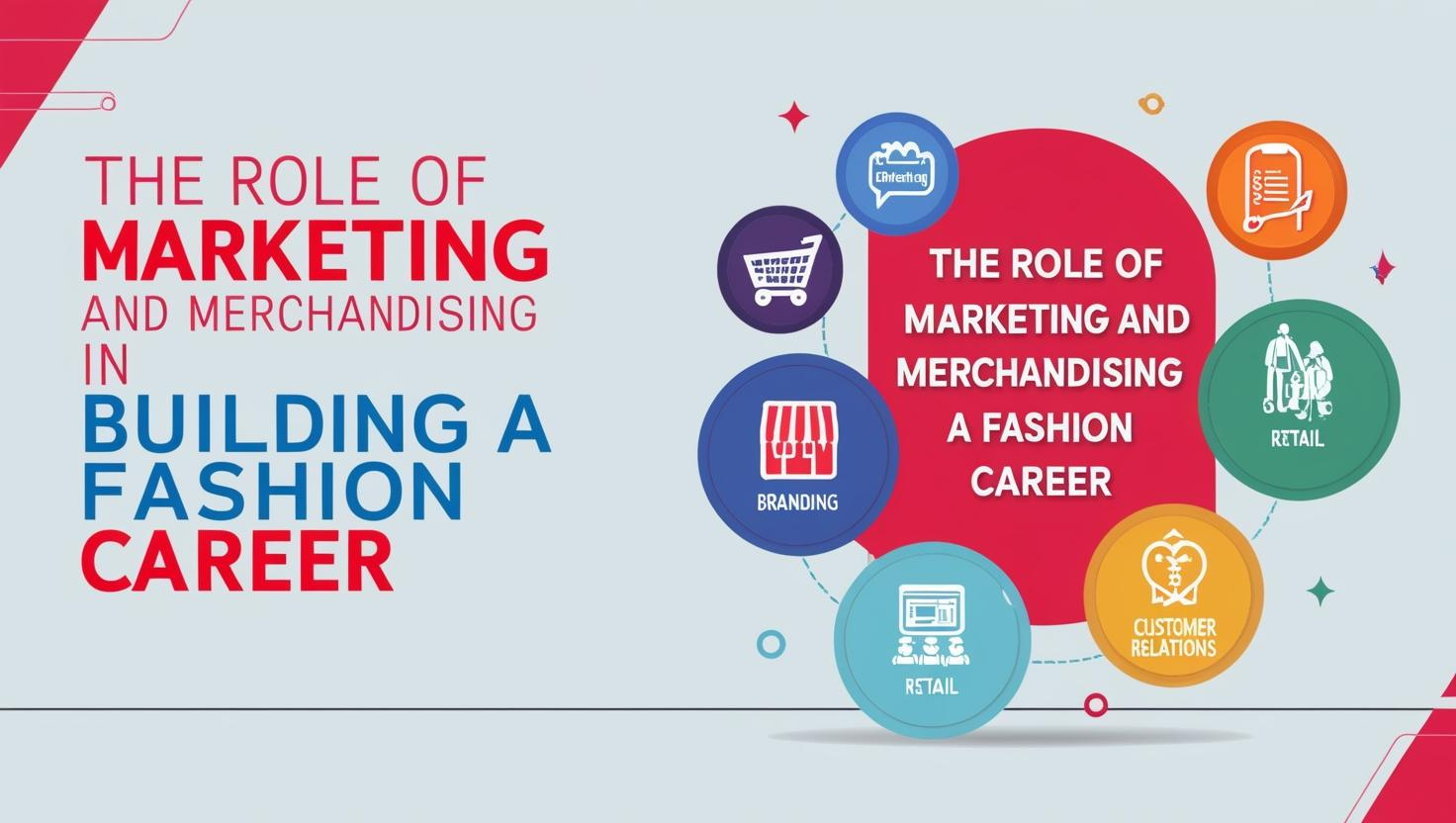
The Role of Marketing and Merchandising in Building a Fashion Career
Creativity is only half of the equation in the competitive world of fashion. True success also depends on how effectively you market your designs and merchandise your products. Whether you’re an aspiring designer, brand owner, or fashion professional, mastering these two disciplines can define your long-term career success.
Marketing: Showcasing Your Brand
Marketing is the bridge that connects your creative vision to your target audience. It involves building awareness, communicating your brand story, and fostering customer loyalty.
1. Build a Strong Brand Identity
Your brand goes beyond a logo — it reflects your values, vision, and design philosophy. A clear and consistent marketing message helps communicate your identity and builds trust with your target audience.
2. Leverage Social Media
Platforms like Instagram, TikTok, and Pinterest are essential for fashion professionals. They allow you to display your work, connect with followers, and attract potential clients, collaborators, or employers.
3. Collaborate and Partner Strategically
Partnering with influencers, stylists, or other fashion brands can increase your visibility and help establish credibility in the industry. Strategic collaborations often open doors to new audiences and opportunities.
4. Use Digital Marketing Tools
Incorporate SEO, email marketing, and content strategy to reach a broader audience and drive sales. Consistent online visibility strengthens your brand’s presence and boosts long-term growth.
Merchandising: Making Your Products Sell
Merchandising is the art and science of presenting your products in the most appealing and profitable way. It covers everything from product assortment to pricing and display strategies.
1. Understand Consumer Behavior
Successful merchandisers know what their audience wants and how they buy. Studying market preferences and shopping habits helps you curate collections that align with current demand.
2. Master Visual Merchandising
Visual presentation can make or break sales. An attractive in-store or online layout captures attention, highlights key products, and influences purchase decisions.
3. Develop a Strategic Pricing Plan
Pricing requires balancing profitability with accessibility. A well-researched pricing strategy positions your brand competitively without compromising value or quality.
4. Stay Ahead of Seasonal Trends
Fashion is seasonal. Keeping your collections current with upcoming trends ensures your merchandise feels fresh, relevant, and desirable.
Why Both Marketing and Merchandising Matter
Marketing brings customers to your brand, while merchandising converts their interest into purchases. Together, they form a foundation for sustainable success.
1. Visibility and Credibility
Effective marketing ensures your work reaches the right audience. Strong merchandising, in turn, enhances customer satisfaction and loyalty.
2. Career Growth and Opportunities
Knowledge of marketing and merchandising opens doors to roles in branding, retail management, fashion buying, and e-commerce — giving you a competitive edge.
3. Stronger Financial Outcomes
Combining smart marketing with strategic merchandising maximizes revenue potential while maintaining brand value and long-term profitability.
Conclusion
A thriving fashion career isn’t built on creativity alone. It demands a solid understanding of marketing and merchandising — the twin pillars that turn your artistic vision into a profitable business.
Whether you’re just starting out or looking to scale your fashion brand, make these two areas central to your growth strategy. In the fast-changing world of fashion, they are your keys to staying relevant, visible, and successful.