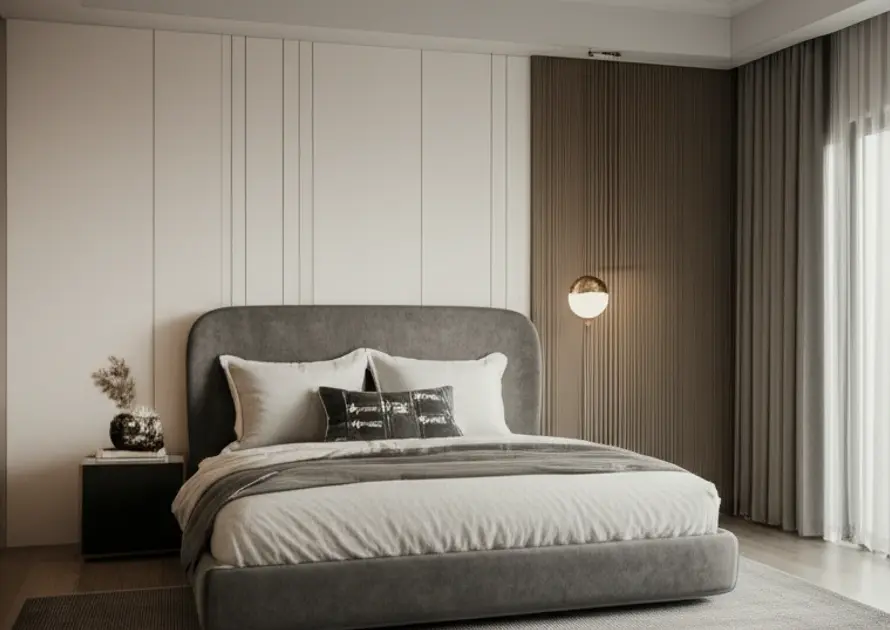
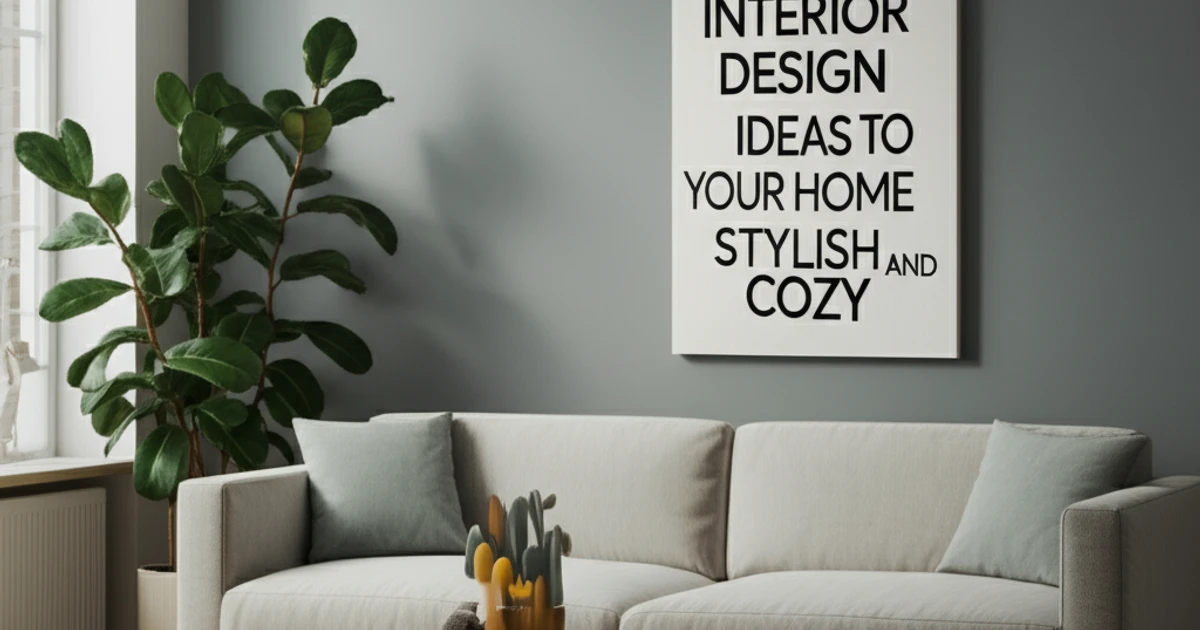
A beautiful home doesn’t need designer labels or a huge budget. It needs comfort, personality, and smart planning—a space that feels safe, warm, and truly yours.
Whether you’re setting up your first apartment, updating a family home, or just bored of how your room looks, these ideas will help you design a stylish and cozy home that actually works for everyday life.
Why Interior Design Matters (More Than Pretty Décor)
Interior design is not just about cushions, curtains, and showpieces. It quietly shapes how you feel when you wake up, work, relax, or host friends.
A thoughtfully designed home can:
- Improve your mood and comfort by controlling light, layout, and colors.katefulller
- Make even a small home feel spacious, organized, and calm.
- Reduce visual clutter so your mind feels less stressed.
- Tell your story through colors, memories, and objects you love.
- Add long-term value to your property if you ever decide to sell or rent.
The aim is not a “perfect” home. The aim is intentional design that supports your daily life.
1. Add Personality: Make Your Home Feel Like You
The most memorable homes don’t look like hotel rooms—they feel lived-in, warm, and personal.
Easy ways to add personality:
- Display travel souvenirs, framed photos, or art that means something to you.
- Create a gallery wall with family pictures, quotes, or prints you love.
- Use books, curios, collectibles, or handmade décor as styling pieces.
- Mix old and new: pair a vintage table with a modern sofa for character.
Choose meaning over trends. One personal object can make a room feel more welcoming than ten random décor items bought in a hurry.
2. Lighting Layers: The Secret to Instant Coziness
Lighting can make the same room feel either cold and harsh—or warm and inviting.
Avoid relying only on a single bright tube light or overhead LED. Instead, layer your lighting:
Ambient: floor lamps, wall lights, simple ceiling lights for general glow.
Task: study lamps, reading lights, kitchen counter lights where you work.
Accent: candles, string lights, and warm LED strips to highlight corners.
For a cozy feel, choose warm white bulbs in the 2700K–3000K range; this temperature gives a soft golden glow that feels relaxing at home.
3. Use Texture to Add Warmth & Depth
Even with simple colors, texture can make a room feel rich, cozy, and inviting.
Simple texture upgrades:
Add soft rugs near the bed, sofa, or entryway.
Use cushions in different fabrics like cotton, velvet, linen, or knits.
Layer throws or blankets on your sofa or chair.
Bring in natural materials like wood, jute, cane, or linen.
Texture makes a space feel softer both visually and physically, especially helpful if you have a lot of hard surfaces like tiles or metal.
4. Smart Interior Design for Small Homes
Small homes can look stylish, airy, and premium with the right planning.
Space-smart ideas:
Use multifunctional furniture like storage beds, ottomans with hidden storage, or sofa-cum-beds to save space and reduce clutter.
Add wall-mounted shelves instead of bulky cabinets to free floor space.
Use mirrors opposite windows to reflect light and make rooms feel bigger.
Stick to a consistent color palette so the home feels connected and less busy.
The goal is to make every piece of furniture earn its place—beauty plus function.
5. Choose Colors That Feel Calm & Timeless
Color affects mood more than most people realize. The wrong shades can make rooms feel heavy or chaotic; the right ones feel calming and fresh.
Great choices for a cozy home:
Warm neutrals: cream, beige, greige for a soft, timeless base.
Soft greens and blues for a soothing, relaxing vibe.
Muted earthy tones like terracotta, sand, or taupe for warmth.
If you love bold shades, try one accent wall instead of four. Pick 2–3 main colors and repeat them in different rooms so the whole house feels cohesive, not disjointed.
6. Bring Nature Indoors with Plants & Natural Elements
Plants instantly make a home feel more alive, fresh, and peaceful.
Beginner-friendly indoor plants:
Snake plant
Pothos (money plant)
ZZ plant
Peace lily
These are low-maintenance and do well indoors, even if you’re not great at watering on time. Pair them with natural décor like wooden furniture, woven baskets, jute rugs, and ceramic or stone accessories to add warmth and texture.
7. Start Small: Easy Changes with Big Impact
You don’t need a big renovation to see a big difference. Tiny changes can totally shift how a room feels.
Try starting with:
Swapping cushion covers for new colors or textures.
Adding or changing a rug to anchor the space.
Rearranging furniture for better flow and comfort.
Painting just one wall for a fresh focal point.
Adding a few plants in corners, shelves, or window sills.
Small, low-pressure updates help you experiment and slowly shape your home instead of feeling overwhelmed.
Quick-Start Interior Design Checklist
Use this as a simple starting point:
✔ Pick a consistent color palette for your home.
✔ Layer your lighting instead of using only one harsh light source.
✔ Add texture with rugs, cushions, and throws.
✔ Include personal décor that tells your story.
✔ Choose multifunctional furniture to maximize small spaces.
✔ Bring in plants and natural materials for warmth.
Final Thoughts: Your Home, Your Rules
Interior design is not a one-time “project” you finish and forget. It’s a slow, evolving process that grows with your life, your tastes, and your needs.
Focus on comfort, clarity, and authenticity instead of chasing perfection. Start with one corner, one room, or one small idea today—and step by step, you’ll build a home that feels stylish, cozy, and truly yours.
Frequently Asked Questions (FAQs)
1. How can I make my home look stylish on a budget?
Focus on lighting, color, and small décor changes. Updating cushion covers, adding plants, rearranging furniture, and using warm lighting can transform a space without high costs.
2. What is the easiest way to make a home feel cozy?
Layered lighting, soft textures (rugs, throws, cushions), warm colors, and personal décor items instantly make a home feel cozy and inviting.
3. Which colors are best for a stylish and cozy interior?
Warm neutrals like beige, cream, and greige work well. Soft greens, muted blues, and earthy tones also create a calm and comfortable atmosphere.
4. How do I decorate a small home without making it feel crowded?
Use multifunctional furniture, wall-mounted shelves, mirrors to reflect light, and a consistent color palette to keep the space open and organized.
5. What type of lighting is best for home interiors?
A combination of ambient, task, and accent lighting works best. Warm white bulbs (2700K–3000K) are ideal for creating a cozy home environment.
6. How can I personalize my home interior?
Display meaningful items like travel souvenirs, family photos, artwork, books, or handmade décor. Personal touches make your home feel unique and lived-in.
7. Are indoor plants good for home interiors?
Yes. Indoor plants improve air quality, reduce stress, and add natural warmth. Easy options include snake plants, pothos, peace lilies, and ZZ plants.
8. What interior design mistakes should I avoid?
Avoid harsh lighting, overcrowding rooms with furniture, following trends blindly, and using too many colors without a cohesive palette.
9. Do I need an interior designer to create a stylish home?
Not necessarily. With practical design principles, smart furniture choices, and intentional décor, you can create a stylish and cozy home on your own.
10. How often should I update my home interior?
There’s no fixed rule. Small updates every 6–12 months—like changing textiles, paint, or décor—can keep your space fresh without major renovations.