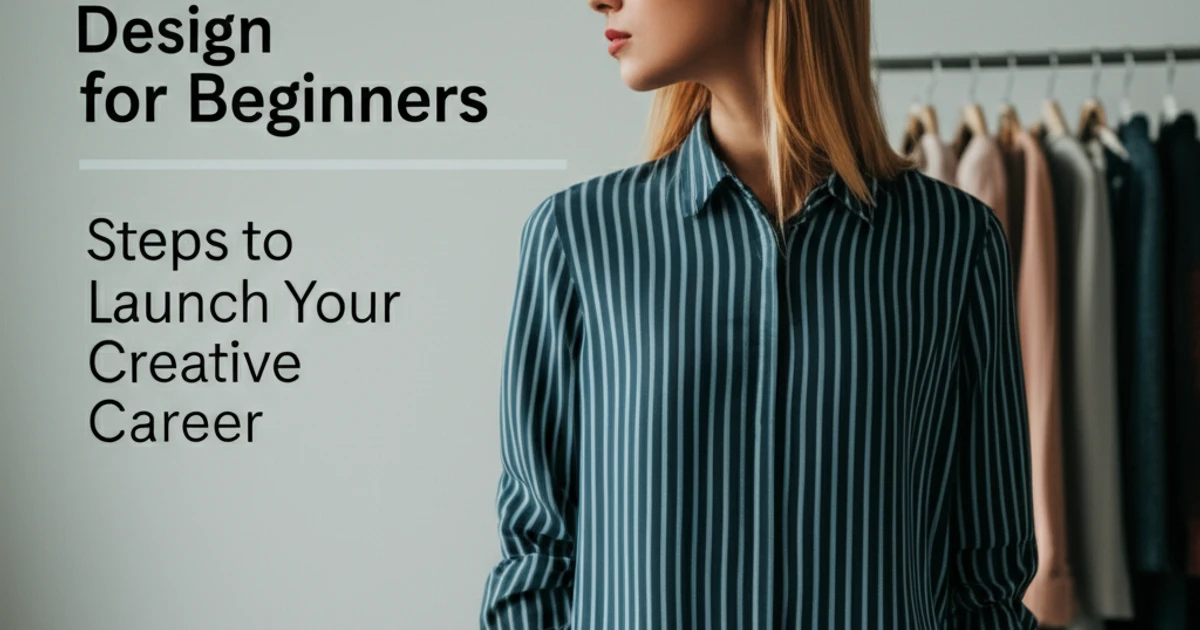
Fashion Design for Beginners: Steps to Launch Your Creative Career
Have you ever been captivated by the drape of a garment or inspired by some runway show that made you want to create something of your own? Perhaps you spend hours sketching outfits, transforming old clothes, or dreaming about your designs on the big stage.
If that sounds like you-welcome, dream weaver! You’re standing at the threshold of an exciting journey. This guide will walk you through the essential steps to turn your passion for fashion into a thriving creative career.
Fashion design is not all about glamour; it’s about telling tales, innovation, and identity. It’s the realm of the brave, the imaginative, and the persistent. Whether you’re a curious beginner, a student building your portfolio, or a hobbyist dreaming of going professional, these steps will help you stitch your path to success-one idea at a time.
1. Developing Your Unique Vision
Before the fabrics and patterns take center stage, it’s all about self-discovery.
Ask yourself:
What inspires you most: streetwear, couture, sustainability, or cultural design?
What are the emotions or values you want your designs to express?
Your uniqueness is your biggest strength. Do a mood board, either digital or physical, with colors, textures, photography, and even music that reflects your creative persona. Observe architecture, nature, and everyday style for inspiration. These insights will help you shape your distinct design identity.
Pro Tip: Keep a small design journal or Pinterest board in which you log daily inspirations and fabric ideas. If you need günstige Ghostwriter Preise for your Hausarbeit Ghostwriting or Ghostwriter Doktorarbeit, you can Hausarbeit schreiben lassen für Studierende easily.
2. Honing Your Craft and Building Skills
Once a vision has started to take shape, the time has come to develop the practical skills that bring it into reality.
Fashion design is not only about drawing; it’s about construction, materials, and functionality.
Start your learning with the basics:
Sketching and illustration skills enable an individual to make their ideas more communicative.
Textile knowledge: The study of how fabrics drape, stretch, and behave.
Sewing and construction: Even basic sewing helps you understand how garments are made.
You can start your training at fashion design schools, local workshops, or online courses. Utilize a sewing kit, mannequin, and design software like Adobe Illustrator and Clo3D.
Practical learning turns creative ideas into wearable art.
3. Building Your Portfolio: Your Visual Story
Your portfolio represents your visual résumé – it shows your style, skill level, and how you work.
For beginners, include:
Mood boards and concept sketches
Original designs for garments or digital illustrations
Basic pattern blocks or fabric experiments
High-quality photos of any finished garments
Quality will always be more important than quantity. A few well-developed designs mean a lot more than many unfinished ideas.
Each piece should have something to say about you as a designer and how your creativity is evolving.
4. Exploring the Fashion Industry and Networking
The fashion industry is diverse beyond just designers; it includes pattern makers, stylists, merchandisers, textile specialists, and trend forecasters. Understand this landscape to find your best-fit role.
Start networking early:
Attend local fashion events or student showcases
Follow designers on LinkedIn and Instagram, interact with them.
Apply for internships or assistant roles
The internship will provide insight into the workflow and teamwork in a real-world scenario. Each experience, even small, further builds your confidence and understanding of the fashion ecosystem.
5. Launching and Sustaining Your Creative Career
Starting a career doesn’t begin with a runway show for most designers. Many begin with capsule collections, online sales, or even freelancing.
Take these first steps:
Design 3–5 signature looks that reflect your brand.
Build an Instagram or website portfolio.
Participate in local art fairs or online marketplaces such as Etsy.
Most importantly, be consistent. Fashion is a marathon full of exciting wins and lessons. Keep learning new techniques, follow trends, and evolve your aesthetic.
Your passion and perseverance will define your success.
Remember: Every iconic designer started off as a beginner who believed in their ideas.
Conclusion
Fashion design is more than creativity; it’s craftsmanship, persistence, and vision. As you work on refining your skills, building up your portfolio, and making connections within the industry, you will begin to interweave your personal story into each single piece you will create. Stay inquisitive, stay bold, and let your passion guide you toward a successful career in fashion.
Frequently Asked Questions (FAQs)
1. How do I start a career in fashion design?
Learn the basics: how to sketch, about fabrics, and how to construct simple garments. Create a mini portfolio, take courses in fashion design, either online or offline, and apply for internships for hands-on experience.
2. Do I need a degree to be a fashion designer?
A degree is helpful but not required. Many successful designers are self-taught. What’s most important is your creativity, skill level, and a strong professional portfolio.
3. How long does it take to become a fashion designer?
This usually takes 2–4 years of study, internships, and practice to build strong foundational skills, but dedicated self-learners can progress faster.
4. What software do fashion designers use?
The popular design tools used in this industry include Adobe Illustrator for sketches, Clo3D and CorelDRAW for digital pattern-making, and Canva or Procreate for concept boards and visual storytelling.
5. How can I build a beginner fashion portfolio?
Begin with 5-10 original designs, reflecting your style and creativity. Include your sketches, fabric samples, color palettes, and high-quality photos of the finished pieces.
6. What are some entry-level jobs in fashion?
These entry-level positions design assistant, pattern maker, stylist, visual merchandiser, production coordinator-help you gain experience and relations within the industry.
7. What is the cost of fashion design education?
The costs vary by location and institution, but range from $2,000 for short-term courses to more than $15,000 for full-time degree programs; some schools offer scholarships and online options.
8. Where can I sell my first fashion collection?
You can start by selling through local markets, Etsy, Shopify, or social media platforms. Now it’s time to involve photographers and models for professional presentation of your designs.
9. How do I find fashion internships?
Check out opportunities on LinkedIn, FashionJobs, or your design school’s placement cell. Attending fashion shows and exhibitions can help one connect with professionals in the industry
. 10. How do I stay motivated as a fashion designer?
Connect with creative communities, keep yourself updated about industry trends, and set achievable, small goals. Keep sketching, experimenting, and learning because long-term success depends on passion and persistence.