
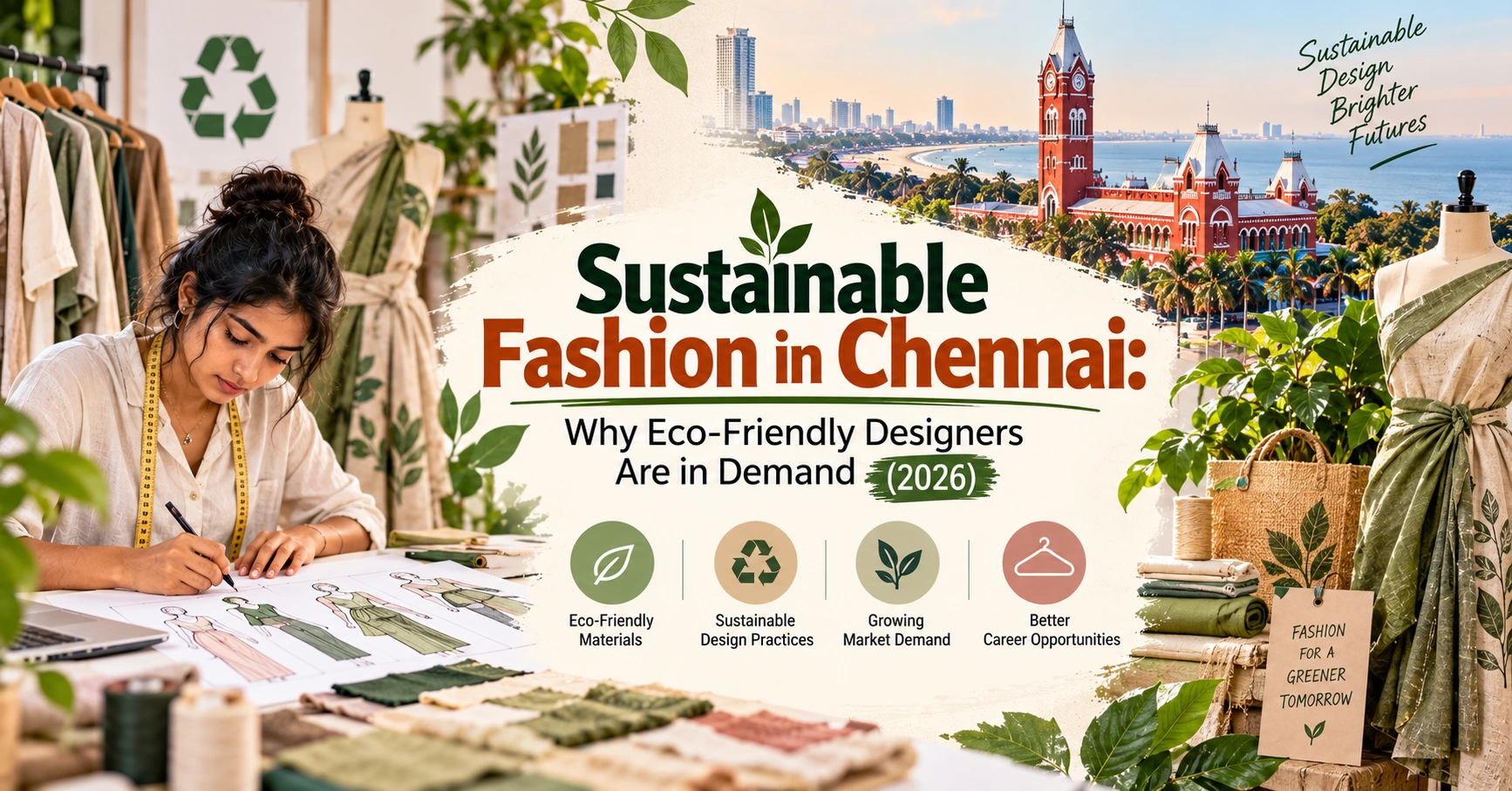
Ask a college girl in Chennai where she last bought her kurta and she would most probably say, a pop-up in Besant Nagar or, an Instagram page that sells upcycled sarees. A decade ago that would have sounded like a weird thing. Today, it’s a very regular thing. Chennai shoppers, particularly youngsters, want to know the origin of their clothes, the story of the maker and the road the garb takes once she walks out of the store. This change is paving way for a new job for designers in the city.
Why Chennai Is Taking Notice
Chennai has long been a big admirer of the handloom, Kanchipuram silk and khadi. That love affair is now getting together with a little something new: buy less, buy quality, and keep what you’ve got for longer. Local labels in the city are turning old sarees into dresses, using natural dyes, making small batches instead of truckloads of stock. Even the big guys in Chennai’s malls are feeling pressure from buyers abroad who want their clothes clean.
And there is state support. The Tamil Nadu government announced a new Textile Technology Centre in Tiruppur with an outlay of ₹2,022 crore in its budget for 2026-27 to develop a modern infrastructure for sustainable apparel production. If the state commits that kind of money to green manufacturing, brand owners from all over the state including those from Chennai, will need designers who know about it.
Why Sustainability Starts with the Designer
Most say this is the factory’s business. But the waste actually is generated at the designer’s desk – how much fabric is trimmed off, how much water a dye consumes, how the print will wear after two seasons. Brands and retailers say designers who think this way from the outset save them big bucks.
What Skills Must a Sustainable Designer Possess
Feel the fabric. Understand your organic cotton, khadi, Tencel, recycled polyester and the way the natural dyes we use respond to each material.
Minimize Waste. Design your piece with as little wastage as possible so only a little bit of rubbish goes in the scrap bin.
Recycle. Repurpose waste by-products of production, for example, offcuts, deadstock fabric and existing stock, into products that consumers want to buy.
Know your certifications. Most Chennai export companies bring up things like GOTS and OEKO-TEX when they talk to foreign buyers.
Hiring in Chennai
Sustainable product designer, eco-fabric sourcing executive, compliance coordinator at an export house, upcycling studio owner and slow fashion label founder. Many Chennai-based labels were started by one person, with one sewing machine and an Instagram account. Export houses in the city and surrounding area are looking to hire people who will be able to speak to international clients about sourcing fabric and waste.
Getting Started
Firstly, begin with the basics of fabric, pattern making and the basics of garment making. You cannot learn to cut zero-waste garments if you don’t know how to cut normal garments. Students at FIDA The Design School, Kilpauk, Chennai, begin with the 6 Months Certification Program in Fashion Design, then go on trips to the industry to learn all the production methods and the waste created. Keep a scrap bin at home and take time each week to see what you can make from it!
Frequently Asked Questions
Why is sustainable fashion growing in Chennai?
Clothing that is sustainable, long-lasting, produces least waste and backs our home-grown handloom industry is what the youth in Chennai are going after, which is why the trend of eco-labels, thrift pop-up markets and upcycling fashion is growing at a rapid pace.
Why is sustainable fashion important for design students?
Since sustainability in production is the new buzzword, brands, and international customers may prefer to opt for designers who are knowledgeable in eco-friendly textiles and zero-waste processes.
What is zero-waste fashion design?
This involves the arrangement of pattern pieces so that virtually the whole quantity of fabric is used up with very little off cuts left on the cutting table.
Are there any courses on sustainable fashion design in Chennai?
FIDA’s fashion design programs in Kilpauk, Chennai will include lessons in fabrics, pattern making and construction to help you build a solid foundation for upcycled and sustainable designs.
What are the job opportunities in sustainable fashion in Chennai?
Become a sustainable product designer, eco-fabric sourcing executive and compliance and labelling coordinator, or you could start your own small upcycled handloom label at home.